In the realm of product testing, understanding the nuances between different testing methodologies is crucial for ensuring optimal performance and durability. Two such methods stand out: thermal shock testing and thermal cycling. Both play pivotal roles in assessing the reliability of products subjected to fluctuating temperatures, yet they serve distinct purposes and are conducted differently. This article explores the subtleties between these two methods, shedding light on their definitions, methodologies, applications, advantages, and guidance on when each should be used. Whether you're using a climatic test chamber or a temperature and humidity chamber, this knowledge is essential for any organization committed to quality and innovation.
Test Definitions
The fundamental difference between thermal shock testing and thermal cycling lies in their definitions and objectives. Thermal shock testing is designed to expose materials to sudden temperature changes, which can induce stress and reveal weaknesses in the materials. Typically, this involves a rapid shift from one extreme temperature to another without allowing the material to reach equilibrium, a process precisely controlled by advanced thermal shock chamber china manufacturers.
Conversely, temperature cycling test involves repeatedly heating and cooling materials to predetermined temperatures for extended periods, allowing the material to reach equilibrium at each temperature. This focuses on understanding how materials can expand and contract over time, revealing fatigue or structural weaknesses.
| Test Type | Objective | Process |
|---|
| Thermal Shock Test | Identify material weaknesses from sudden temperature changes | Rapid, extreme temperature changes |
| Thermal Cycling | Assess material durability over repeated thermal expansion/contraction | Sequential temperature changes with equilibrium |
Methodological Differences
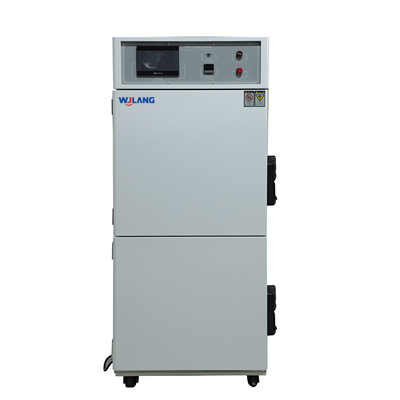
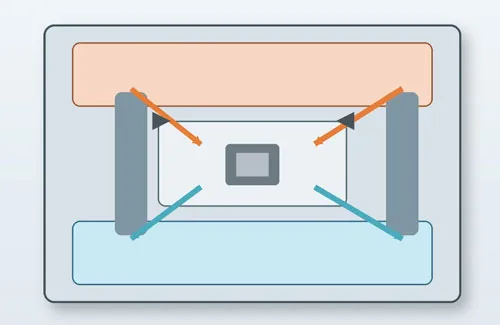
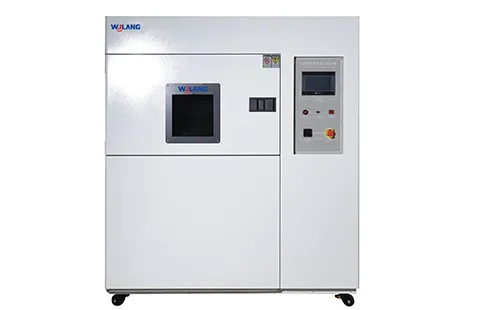
The methodologies employed in thermal shock testing and thermal cycling differ significantly. Thermal shock tests are typically conducted in a thermal shock test chamber, which is designed to facilitate rapid temperature changes - often within ten seconds. This is achieved by moving the sample between chambers set at extreme temperatures, for example, from a hot chamber to a cold chamber. The quick turnover challenges the material's ability to withstand rapid thermal gradients.
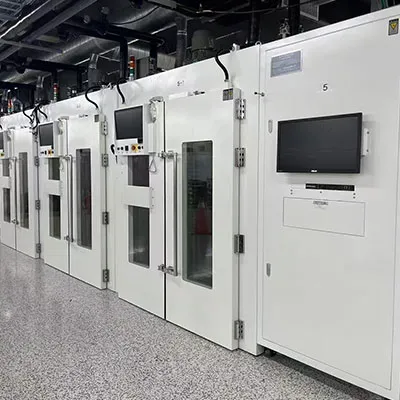
On the other hand, thermal cycling is performed using a temperature chamber or a temperature humidity chamber that allows for controlled heating and cooling. The tests often extend over longer durations, enabling the product to cycle through extensive thermal changes slowly. This process can take hours, days, or even weeks, depending on the product and the testing standards.
Applications Compared
Both testing methods are widely used across various industries, although they serve different testing requirements. Thermal shock testing is crucial in electronics, where components face rapid temperature changes during operation. Products subjected to thermal shock testing include intricately soldered joints and microchips that require verification against sudden stress.
In contrast, thermal cycling is employed more broadly in industries such as automotive and aerospace, where components must demonstrate prolonged endurance. These tests assess the reliability of complete systems when exposed continuously to temperature fluctuations, evaluating potential failure due to long-term thermal exposure.
| Industry | Thermal Shock Testing | Thermal Cycling |
|---|
| Electronics | Solder joints, microchips | Component fatigue over time |
| Automotive | Engine components under sudden conditions | Systems like brakes under repeated stress |
| Aerospace | Materials exposed to space environments | Structures like airframes over long use |
Advantages of Each
Each testing method offers unique advantages. Thermal shock testing, though intense, is invaluable for detecting immediate and significant weaknesses in products that can be exposed to sudden environmental changes. This early detection is crucial for industries where failure is not an option, such as defense and space.
In contrast, thermal cycling offers a more comprehensive view of a product's lifetime performance by simulating a real-world operating environment. This approach is advantageous for evaluating long-term material behavior, ensuring reliability and performance over extended periods.
When to Use Which
Determining which testing method to employ can depend on the particular requirements of the industry or product. For immediate strength and material resilience checks, particularly for products prone to quick environmental changes, thermal shock testing conducted in a thermal shock test chamber is optimal.
For a thorough examination of durability over time, thermal cycling is recommended. This method provides valuable insights into how products endure everyday stresses, making it indispensable for products requiring consistency over several years, such as automotive components tested in a thermal cycling test chamber, climate chamber, or humidity test chamber.
In conclusion, both thermal shock testing and thermal cycling offer valuable insights into the durability and resilience of materials and products. Understanding their differences, applications, and benefits can guide companies in optimizing their testing strategies, ensuring quality and performance excellence in demanding environments. Whether utilizing a temperature humidity chamber for cycling tests or a thermal shock test chamber for rapid tests, making informed decisions on testing methods will contribute significantly to product reliability and brand reputation.
References
Vietnam Wujinglang Technology
Vietnam Wujinglang Co., Ltd. is a high-precision reliability test equipment R&D & manufacturing provider, offering global environmental simulation and extreme test solutions for electronics, automobiles, aerospace, adhering to customer-first culture for sustainable development.
 English
  日本語
日本語  한국어
한국어  français
  Deutsch
  русский
  tiếng việt
  ไทย
ไทย  Malay
Malay 




 Know More