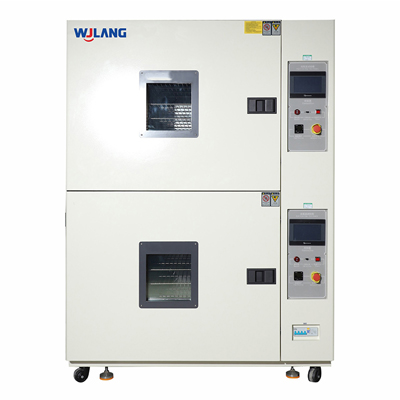
Environmental chambers are essential tools in industrial testing and research, providing controlled conditions for assessing material properties and product durability under various environmental factors. Understanding how these chambers operate can offer profound insights into their functionality and the range of applications they support. This article explores the fundamental principles behind environmental chambers and their component systems, focusing on control systems, temperature regulation, humidity management, and safety protocols. Whether you're considering the purchase of an industrial oven for sale or interested in the benefits of a temperature and humidity chamber, this guide will offer valuable knowledge to enhance your understanding.
Basic Operating Principles
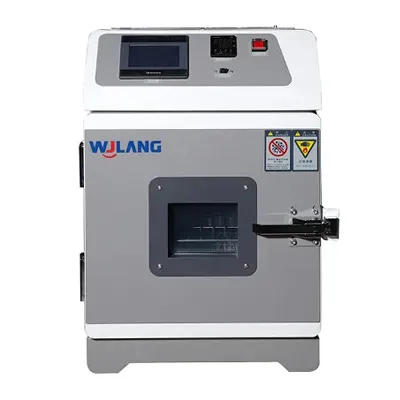
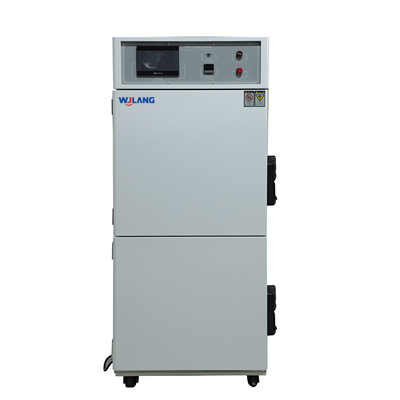
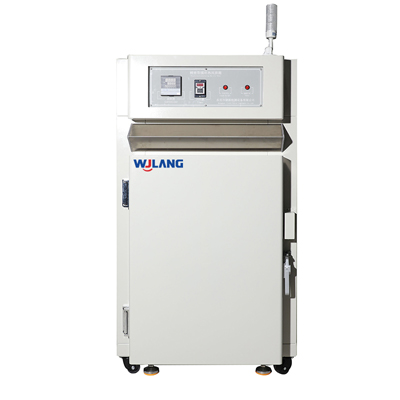
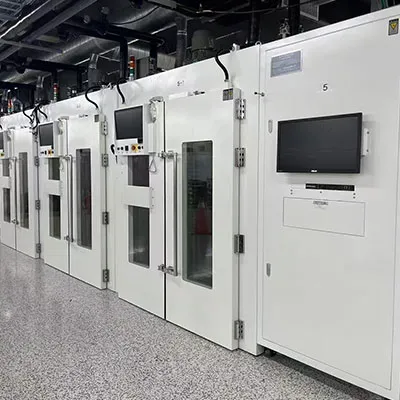
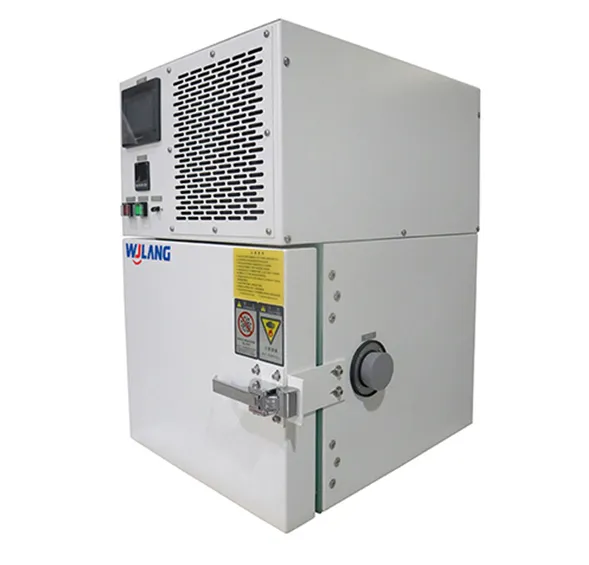
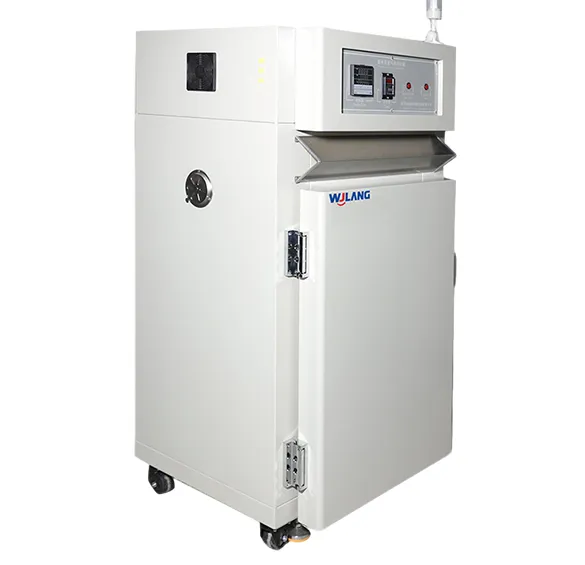
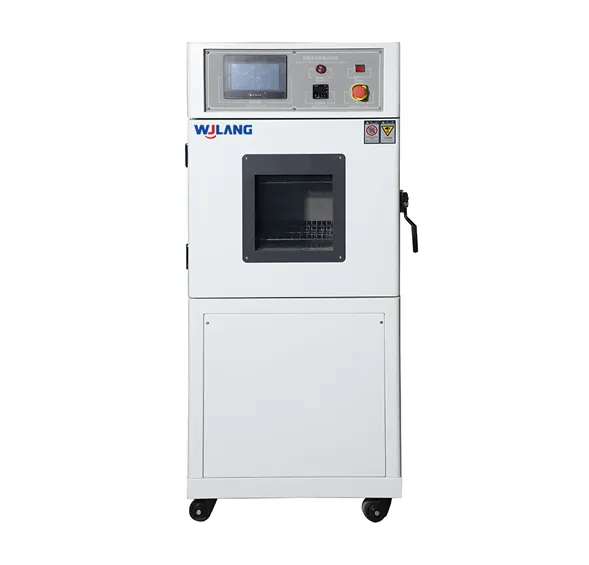
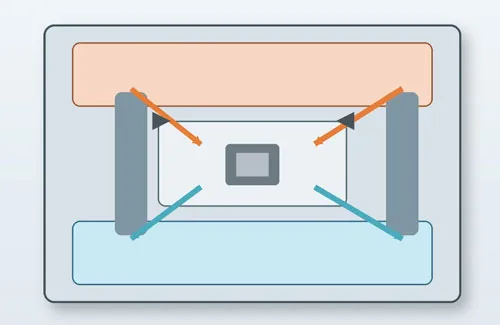
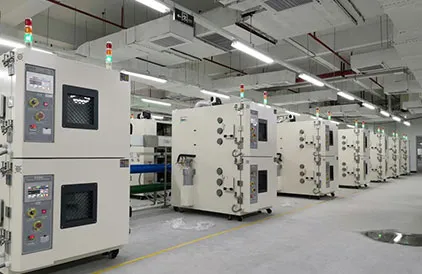
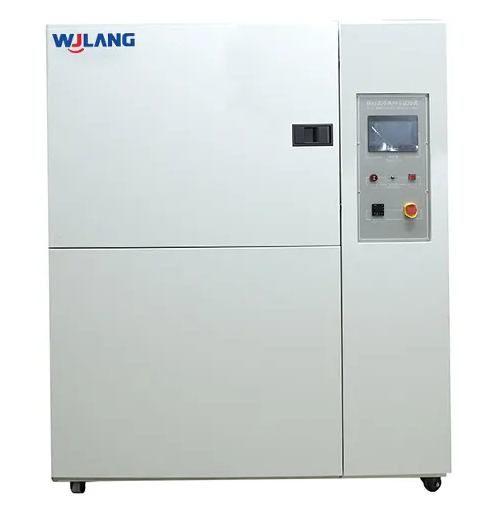
The fundamental operation of an environmental chamber revolves around simulating specific environmental conditions within a controlled space. This is crucial for various tests, including thermal shock testing and humidity control. The chamber typically consists of an insulated enclosure equipped with mechanical and electronic systems to accurately replicate desired test conditions. Chambers can vary significantly in size, from benchtop environmental chambers to large walk-in models, depending on the application requirements.
At the heart of the system is a complex control panel that enables precise adjustments to temperature, humidity, and even air pressure. This allows researchers to meticulously design test scenarios that mimic real-world conditions. These chambers are indispensable in industries like automotive, electronics, aerospace, and pharmaceuticals where rigorous testing ensures product reliability and safety under varying climatic conditions, with the environmental chamber for battery testing being critical for evaluating energy storage solutions.
Control Systems Explained
Advanced control systems are pivotal in climate chambers. These systems integrate state-of-the-art software and hardware to manage chamber conditions effectively. They employ sensors and feedback mechanisms to continuously monitor and adjust factors like chamber temperature and humidity to maintain the desired environment with remarkable accuracy.
Manufacturers often incorporate programmable logic controllers (PLCs) and user-friendly interfaces into the temperature chamber systems. These enable users to design custom test profiles, set cycle times, and even simulate thermal cycling processes. Such sophisticated controls are essential for conducting detailed tests like thermal shock tests, demanding rapid temperature changes over short durations to evaluate material durability.
Temperature Regulation Mechanisms
Regulating the temperature within an environmental temperature chamber requires precise heating and cooling systems. These may include resistive heaters, refrigeration units, and heat exchangers, which work collectively to achieve and maintain required temperatures swiftly and reliably.
| System Component | Function | Example Application |
|---|
| Resistive Heaters | Provide controlled heating | Industrial oven for sale |
| Refrigeration Units | Facilitate cooling below room temperature | Temperature humidity chamber |
| Heat Exchangers | Efficient transfer of heat | Thermal test chamber |
These temperature regulation mechanisms are crucial for simulating extreme climates, enabling the assessment of product or material responses to sudden changes in environmental conditions.
Humidity Control Features
The humidity test chamber incorporates specialized systems to adjust relative humidity levels, allowing for tests in humid or dry conditions. It employs sophisticated steam generation or dehumidification processes to create specific moisture levels within the chamber.
These features are vital for tests assessing corrosion resistance, material swelling, or adhesive performance under varied humidity contexts. Temp humidity chambers are designed to sustain precise humidity levels, ensuring continuity and reliability in research outcomes.
Safety Protocols
Implementing rigorous safety protocols is an integral aspect of environmental chamber operations. These protocols cover emergency procedures, system diagnostics, and preventive maintenance practices. Safety measures are crucial to minimize risks associated with high-pressure systems, electrical components, and temperature variations.
Regular inspections of climatic test chambers ensure compliance with industry standards and regulations. Moreover, operational safety is enhanced by equipping chambers with alarms and automatic shutdown features to prevent equipment malfunction during tests.
Conclusion
The meticulous design and operation of an environmental chamber highlight its indispensable role in rigorous product testing and research. By understanding the intricacies of control systems, temperature regulation, humidity management, and safety protocols, industries can leverage these chambers to enhance product quality and reliability. Whether exploring the capabilities of a thermal shock test chamber or acquiring a temperature regulation chamber for your facility, investing in advanced environmental testing technology underpins the pursuit of excellence in product development and quality assurance.
Vietnam Wujinglang Technology
Vietnam Wujinglang Co., Ltd. is a high-precision reliability test equipment R&D & manufacturing provider, offering global environmental simulation and extreme test solutions for electronics, automobiles, aerospace, adhering to customer-first culture for sustainable development.
 English
  日本語
日本語  한국어
한국어  français
  Deutsch
  русский
  tiếng việt
  ไทย
ไทย  Malay
Malay 
 Know More