Temperature Range, Humidity Range and Dew-Point Limits
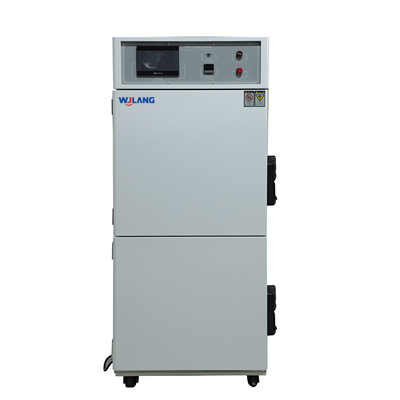
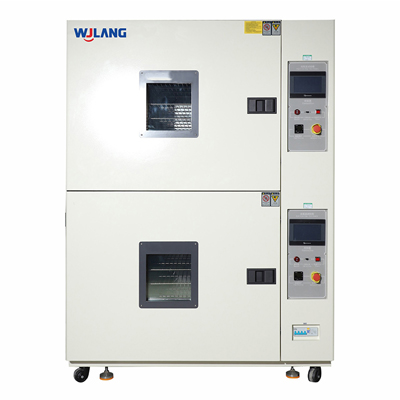
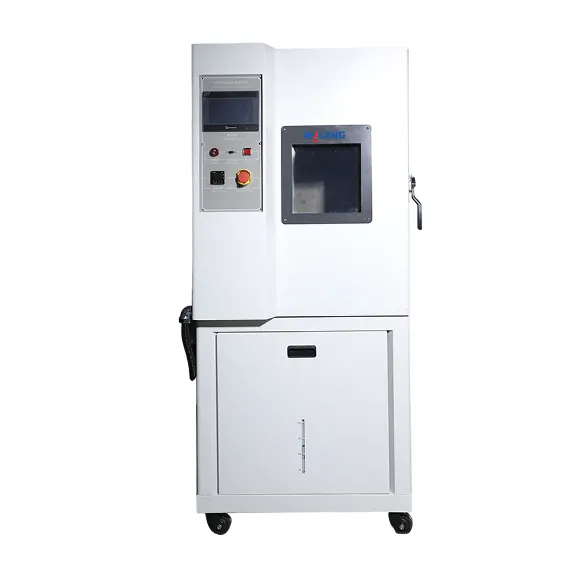
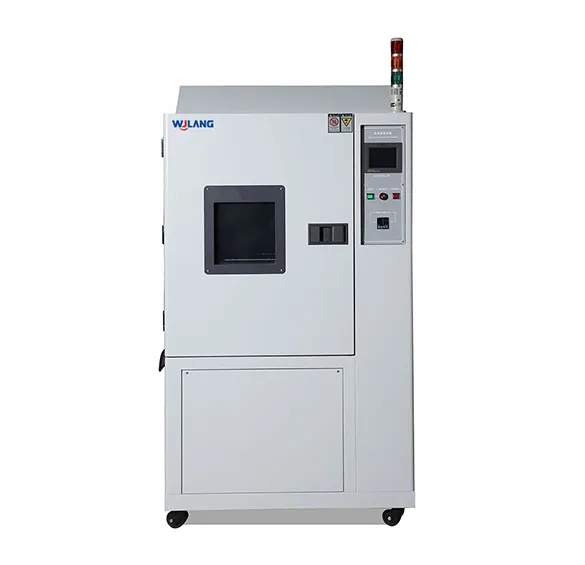
A temperature humidity chamber does not provide the same humidity capability at every temperature. Refrigeration capacity, air temperature, water-vapor content, condensation protection, and the system’s dew-point limit define the usable humidity envelope. Buyers should therefore compare the operating chart rather than reading only the headline range. Within the WJLANG temperature chamber China product range, standard models can cover wide temperature and humidity conditions depending on configuration, but the required profile, specimen load, and transition rate should be checked before selection. A temperature and humidity test chamber should also be evaluated for stability, uniformity, water quality requirements, sensor accuracy, data logging, and long-duration operation.
Standard Temperature Chamber vs Rapid-Rate Thermal Cycle Chamber
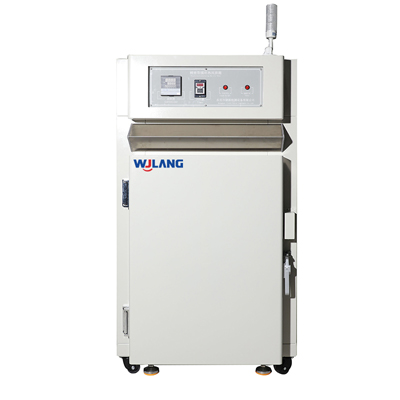
A standard temperature chamber is designed for stable high- and low-temperature exposure and moderate programmed cycles. A rapid-rate chamber adds greater heating and cooling capacity to achieve faster linear or non-linear transitions under defined loads. The faster option is appropriate for accelerated reliability screening, electronics qualification, and programs where ramp rate is part of the test requirement. Buyers should compare loaded ramp rate, overshoot, recovery, compressor configuration, noise, energy use, and specimen heat generation. When the profile requires repeated fast transitions, a thermal cycle chamber should be specified using the real sample mass and operating heat load, not empty-chamber performance alone.
How Chamber Volume and Heat Load Affect Uniformity
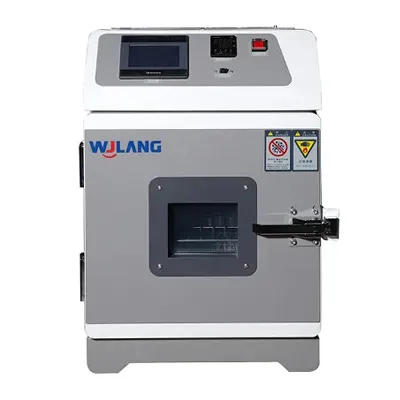
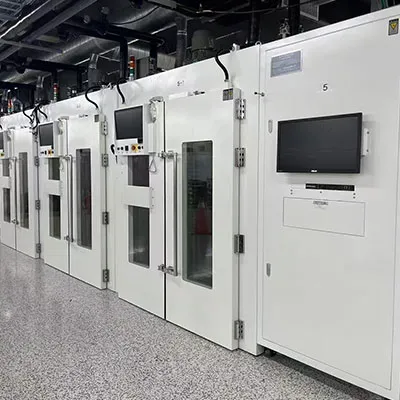
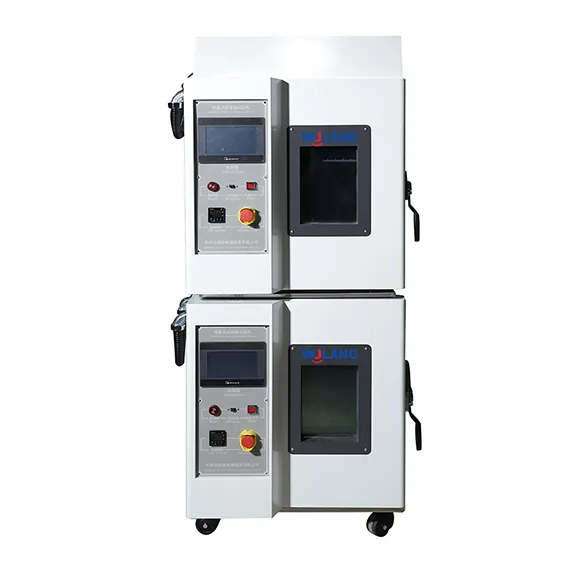
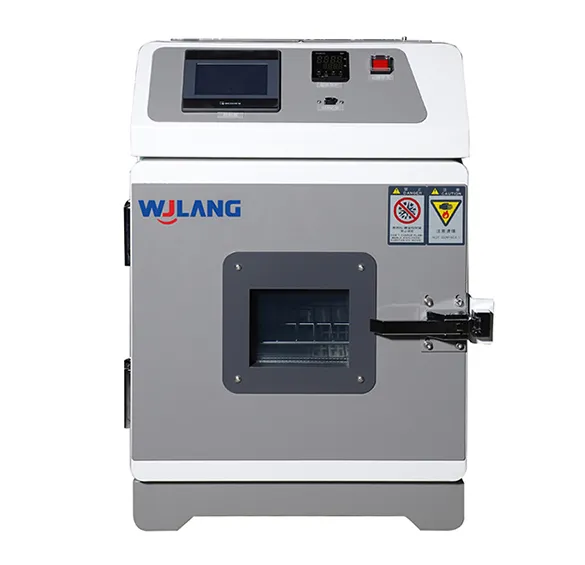
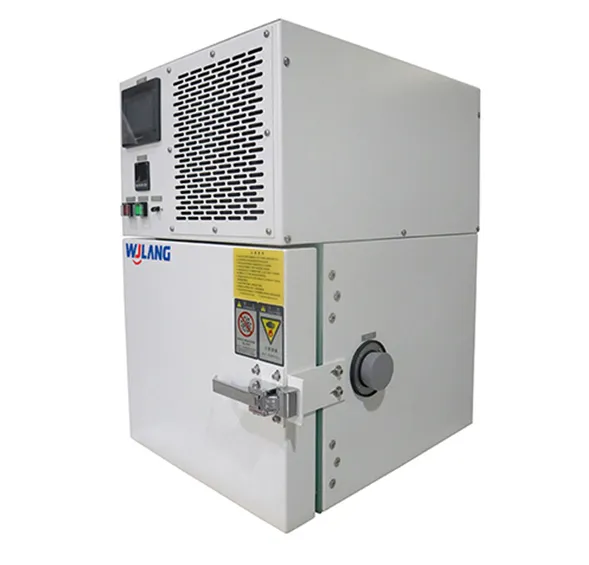
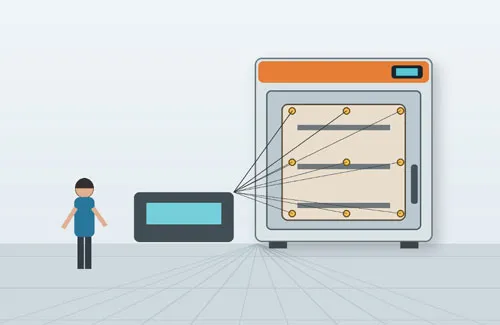
For a temperature chamber China model, the nominal chamber volume does not determine test capacity by itself. Large fixtures, closely packed specimens, powered electronics, and obstructed airflow can reduce uniformity and slow temperature recovery. A temp humidity chamber should be selected after calculating usable volume, sample spacing, thermal mass, active heat load, cable routing, and sensor placement. Smaller components may be tested efficiently in a benchtop environmental chamber, while larger or higher-load assemblies require additional refrigeration and airflow capacity. WJLANG recommends defining acceptance points under representative load, including stability, deviation, uniformity, ramp rate, and recovery, so published performance can be translated into reliable test results.
 English
  日本語
日本語  한국어
한국어  français
  Deutsch
  русский
  tiếng việt
  ไทย
ไทย  Malay
Malay