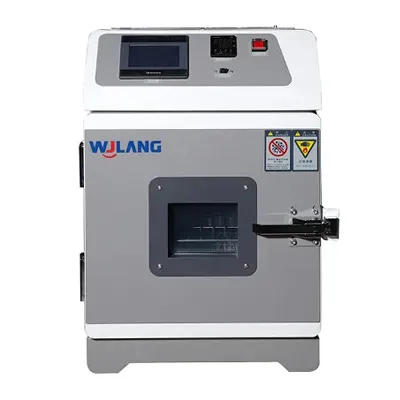
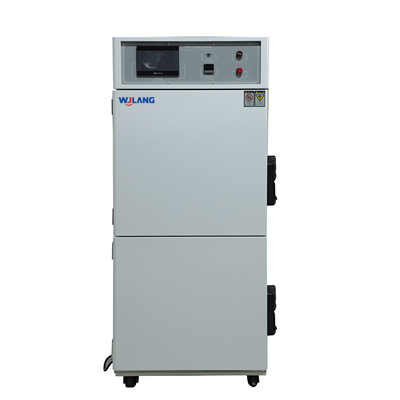
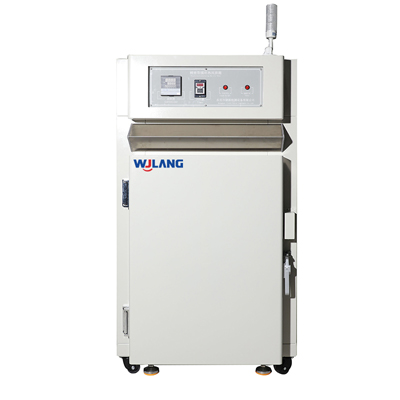
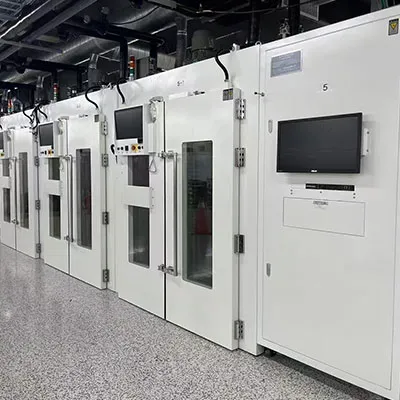
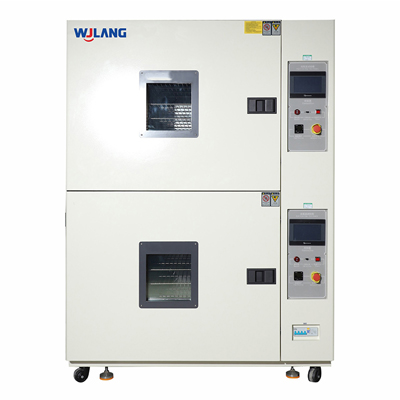
Industrial ovens play a pivotal role in various sectors, from aerospace to pharmaceuticals, enhancing production processes with precise and controlled heat treatments. Whether dealing with simple drying tasks or complex thermal cycling operations, understanding the different types of industrial ovens and their applications aids in selecting the right equipment for specific needs. This article offers a detailed overview of industrial ovens, featuring types, applications, selection criteria, energy efficiency, and safety features. By exploring this content, you will gain a deeper insight into their utility and significance, especially if you're considering an industrial oven for sale. You'll also discover the integral role these ovens play alongside other equipment like environmental chambers, including temperature and humidity chambers.
Overview of Types
Industrial ovens can be classified into several types, each offering distinct functionalities aligned with various industrial applications. Choosing the right oven type is crucial for enhancing productivity and ensuring quality control in industrial processes.
| Oven Type | Functionality | Applications |
|---|
| Batch Ovens | Processes materials in batches | Small-scale production, prototyping |
| Conveyor Ovens | Continuous processing | Mass production, automated systems |
| Cleanroom Ovens | Operate in controlled environments | Pharmaceuticals, electronics |
| Heavy-Duty Industrial Ovens | High capacity and durable | Metalworks, automotive |
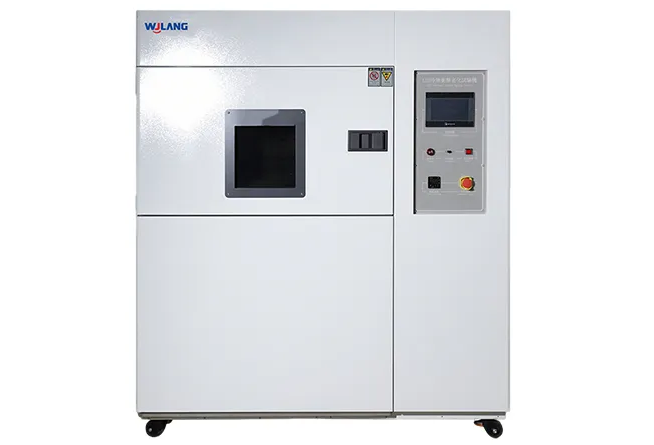
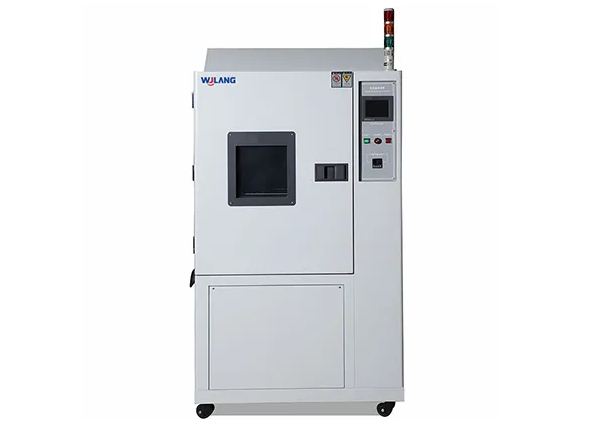
| Temperature Chamber | Maintains stable temperatures | Climatic test chamber, incubation |
Industrial Applications
The versatility of industrial ovens allows them to be applied across various sectors. Their application significantly enhances operational efficiency in industries such as food processing, automotive, and electronics.
Food Industry: Industrial ovens are essential for baking, drying, and roasting processes. The precision of temperature control ensures the consistent quality of food products.
Automotive Industry: From curing paints to treating composite materials, industrial ovens contribute to the high-quality finish and strength required in auto parts.
Electronics Manufacturing: Ovens such as environmental chambers are used to conduct thermal shock testing and thermal cycling, ensuring the durability of electronic components.
Medical Sector: Cleanroom and temperature and humidity chambers facilitate sterilization and precise thermal processing of medical instruments and pharmaceuticals.
Selection Criteria
Choosing an industrial oven requires a thorough understanding of several criteria to optimize the purchase decision and ensure the equipment meets the intended use.
| Criteria | Description |
|---|
| Temperature Range | Consider process temperature needs |
| Capacity | Volume and size of materials processed |
| Energy Efficiency | Operational costs and environmental impact |
| Ease of Use | Control interfaces and maintenance |
| Safety Features | Over-temperature protection, alarms |
Energy Efficiency
With environmental concerns and operational costs on the rise, energy efficiency in industrial ovens is more crucial than ever. Improving energy efficiency not only reduces costs but also aligns with sustainability goals.
Modern ovens are equipped with advanced energy-saving technologies such as variable airflows and programmable thermostats. The integration of energy-efficient heating elements and enhanced insulation minimizes heat loss and optimizes energy use.
Manufacturers are also exploring alternative energy sources, such as solar power and gas-fired systems, to complement electric ovens, making it possible for industries to choose the most sustainable options tailored to their specific needs.
Safety Features
Safety is a paramount concern in using industrial ovens due to the high temperatures and volatile substances often processed. Thus, ovens are designed with advanced safety features to protect operators and maintain operational integrity.
Temperature Controllers: Precise monitoring and control to prevent overheating and guarantee process stability.
Alarm Systems: Early warning systems alert to potential failures and malfunctions, ensuring quick and effective response.
Automatic Shut-Off: In emergencies, this feature prevents damage by cutting off oven operations to maintain safety.
Investing in industrial ovens with robust safety mechanisms not only safeguards personnel and facilities but also sustains equipment longevity and reliability.
Conclusion
Industrial ovens are indispensable in modern manufacturing and processing environments, offering critical capabilities that enhance production processes across industries. By understanding the types, applications, criteria for selection, energy efficiency, and safety features, businesses can make informed decisions and optimize their operations. Whether you are exploring industrial ovens for sale or integrating thermal processing with temperature chambers, the knowledge shared in this guide underscores the pivotal role these systems play. As technology advances, continuous innovation in oven technologies promises even greater efficiencies and capabilities, driving future industrial advancements.
References:
Vietnam Wujinglang Technology
Vietnam Wujinglang Co., Ltd. is a high-precision reliability test equipment R&D & manufacturing provider, offering global environmental simulation and extreme test solutions for electronics, automobiles, aerospace, adhering to customer-first culture for sustainable development.
 English
  日本語
日本語  한국어
한국어  français
  Deutsch
  русский
  tiếng việt
  ไทย
ไทย  Malay
Malay 
 Know More