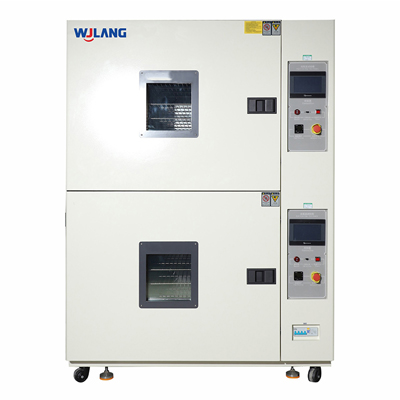
Thermal shock testing plays a critical role in determining the durability and performance of materials and products subject to extreme temperature changes. Thermal shock test chambers are designed to simulate these abrupt temperature transitions, providing valuable data for manufacturers in various industries, from aerospace to consumer electronics. This article explores the methodologies and tools essential for measuring thermal shock, the related standards, and the interpretation of results to ensure products' reliability and longevity.
Measurement Techniques
Understanding the appropriate measurement techniques is fundamental for accurately assessing thermal shock. This involves simulating rapid temperature changes using thermal cycling chambers or other apparatuses designed to replicate environmental conditions. Thermal test chambers reproduce these fluctuations by alternately exposing the product to hot and cold environments, meticulously tracking the time and temperature intervals.
Environmental chambers employ sensors to track the response of materials to temperature changes, recording data that helps in evaluating potential stress fractures or malfunctions. The utilization of temperature and humidity chambers ensures comprehensive examination of how materials respond not only to temperature variations but also to changes in humidity, offering a holistic appraisal of their robustness.
Standards and Protocols
The protocols and standards for thermal shock testing are pivotal in maintaining consistency and reliability across testing processes. Industry standards such as MIL-STD-810, ANSI/ESD, and IEC 60068 outline specific test conditions and criteria for evaluating how products will withstand thermal shocks. These standards define the temperature ranges, dwell times, and acceptable performance thresholds that devices must meet or exceed.
Such standards ensure uniformity, allowing industries to benchmark products' durability and reliability adequately. In following these guidelines, testing personnel use climatic test chambers to mirror the rigorous conditions outlined by these protocols. These standards are critical in bridging the gap between development and real-world applications, ensuring that products meet quality and safety requirements even before they reach the market.
Tools Required
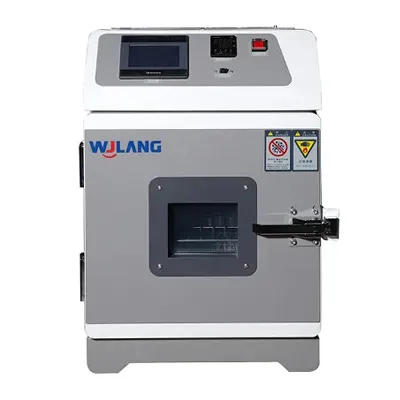
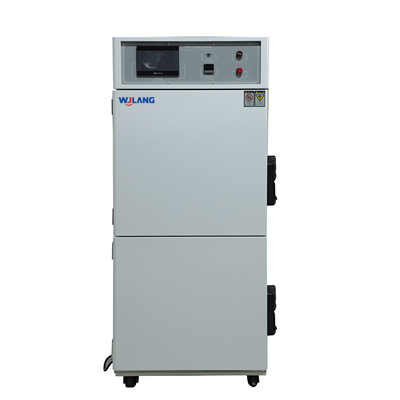
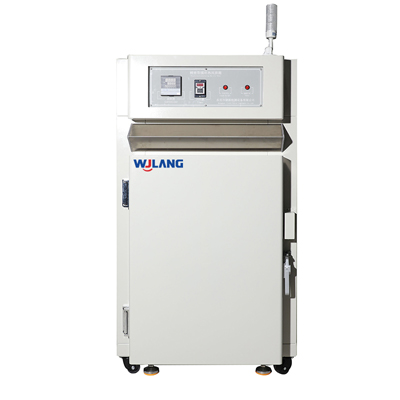
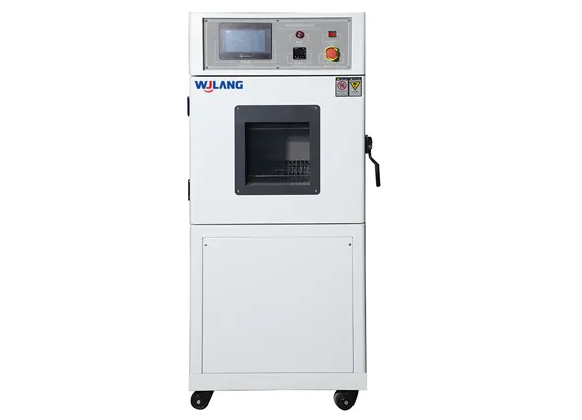
The arsenal of tools required for effective thermal shock testing in environmental temperature chambers includes a diverse range of specialized equipment. The primary tools include the thermal shock test chamber, equipped with sophisticated control systems for accurate replication of temperature shifts. Complementarily, temperature humidity chambers may be used when evaluating the impact of humidity in addition to temperature on materials.
Data acquisition systems are integral, providing real-time readings of chamber conditions and material responses, which are critical for validating test results. Advanced models may integrate software to model environmental conditions, predict potential material fatigue points, and enhance the precision of test outcomes.
Interpreting Results
Interpreting the data collected from temperature chamber testing is as crucial as conducting the tests. Metrics such as temperature saturation points, stress fractures, and performance drops provide insights into how products behave under stress. By meticulously analyzing these figures, engineers can identify potential failure modes and recommend product improvements.
Accurate interpretation of results not only aids in product enhancement but also in quality assurance, validating a product's readiness for the operational environment it will face. Such insights are invaluable for predictive maintenance strategies in production lines, significantly reducing downtime and improving operational efficiency.
Common Challenges
Despite technological advancements, several challenges can affect the fidelity of thermal shock testing. Calibration inconsistencies in benchtop environmental chambers can skew results, while outdated equipment may not replicate modern operational extremes. The longevity and consistency of industrial ovens for sale, especially in temperature humidity chambers, are factors that testing facilities must consistently monitor.
Additional challenges include varying material responses, which can complicate data analysis, and the inherent unpredictability of real-world conditions vs. simulated tests. Addressing these challenges requires continuous calibration, investment in modern testing infrastructure, and adopting innovative testing standards that reflect contemporary demands.
With this knowledge, businesses seeking reliable thermal shock test chamber solutions can optimize their testing processes, ensuring that their products can withstand the rigors of real-world use without compromising on quality or performance.
Conclusion
Thermal shock measurement is crucial for industries reliant on high-performance standards under fluctuating environmental conditions. By understanding the methods, standards, tools, and challenges associated with thermal shock testing, businesses can ensure their products meet the highest quality criteria. Investing in cutting-edge temperature chambers and adhering to rigorous testing protocols aids in producing reliable, durable products that thrive in demanding environments.
As the demand for resilient materials continues to climb, ensuring robust temperature chamber testing protocols and methodologies remains essential for maintaining competitive advantage and operational excellence.
References:
Vietnam Wujinglang Technology
Vietnam Wujinglang Co., Ltd. is a high-precision reliability test equipment R&D & manufacturing provider, offering global environmental simulation and extreme test solutions for electronics, automobiles, aerospace, adhering to customer-first culture for sustainable development.
 English
  日本語
日本語  한국어
한국어  français
  Deutsch
  русский
  tiếng việt
  ไทย
ไทย  Malay
Malay 


 Know More