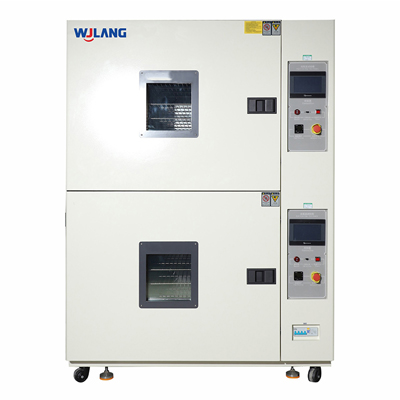
In the realm of product development and testing, thermal chambers play a crucial role. These controlled environments enable engineers and manufacturers to simulate various temperature and humidity conditions, ensuring that products will perform reliably in real-world thermal circumstances. Understanding the purpose and functionality of thermal chambers can significantly elevate a company's approach to quality assurance, new product development, and regulatory compliance. This article examines what makes a thermal chamber indispensable, alongside exploring their types, testing capabilities, industry applications, and essential maintenance practices. Whether you are considering an industrial oven for sale or need to delve into the capabilities of an environmental temperature chamber, this guide will offer ample knowledge.
Overview and Definition
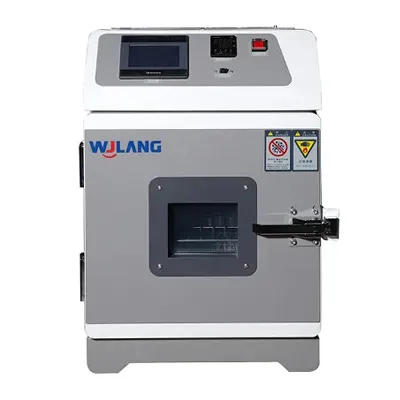
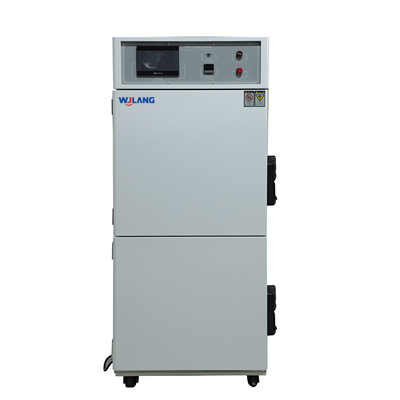
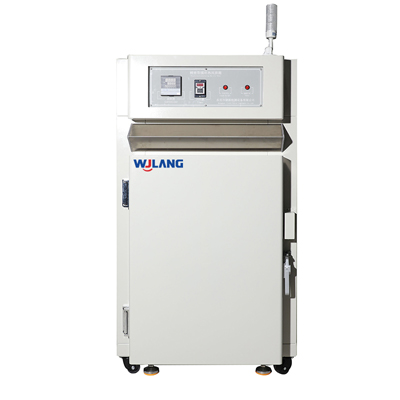
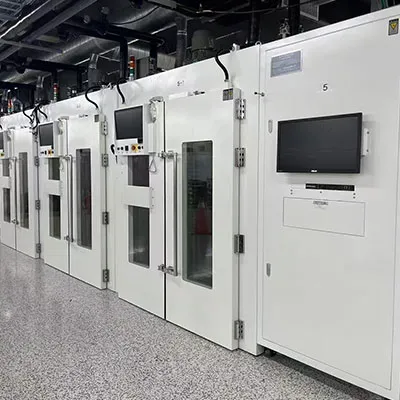
A thermal chamber, also known as a temperature chamber or climate chamber, is designed to create precise environmental conditions for testing products or materials under specific temperature and humidity ranges. These chambers, produced by leading thermal chamber manufacturers, help simulate the diverse climatic conditions that products may encounter in the real world.
Table 1: Types of Environmental Chambers
| Type | Function | Common Use |
|---|
| Temperature Chamber | Control temperature range | Component testing |
| Humidity Test Chamber | Maintain specified humidity | Agricultural research |
| Thermal Shock Test Chamber | Rapid temperature change | Automotive and aerospace |
| Benchtop Environmental Chamber | Space-efficient testing | Lab-scale experiments |
By utilizing various temperature and humidity chamber types, enterprises can ensure their products meet rigorous safety and quality benchmarks before reaching the market.
Types of Thermal Chambers
The choice of a thermal chamber largely depends on the testing requirements and the specific application. Below are some of the most commonly utilized types:
Temperature Chamber: Designed solely for temperature variation, these chambers are ideal for testing basic thermal performance.
Humidity Test Chamber: Similar to a temperature chamber but with the added capability of controlling humidity levels, making it suitable for products sensitive to moisture.
Thermal Shock Test Chamber: These chambers facilitate rapid temperature changes and temperature cycling test procedures to assess a product's durability against thermal stress, imperative in industries like automotive and aerospace.
Climatic Test Chamber: These versatile chambers combine both temperature and humidity control, providing a comprehensive environmental test.
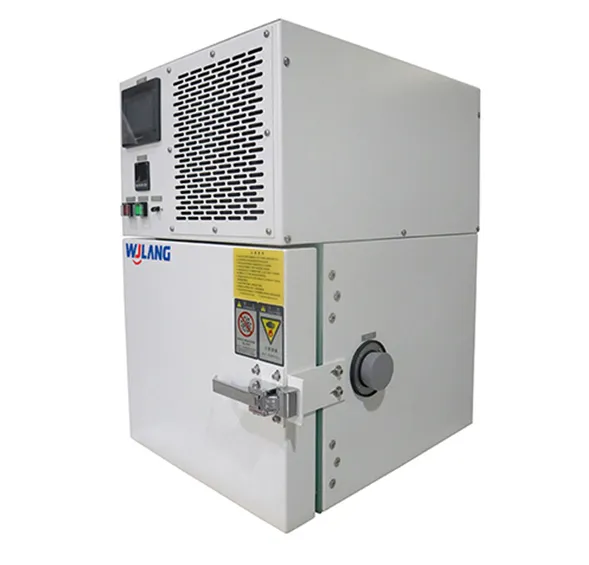
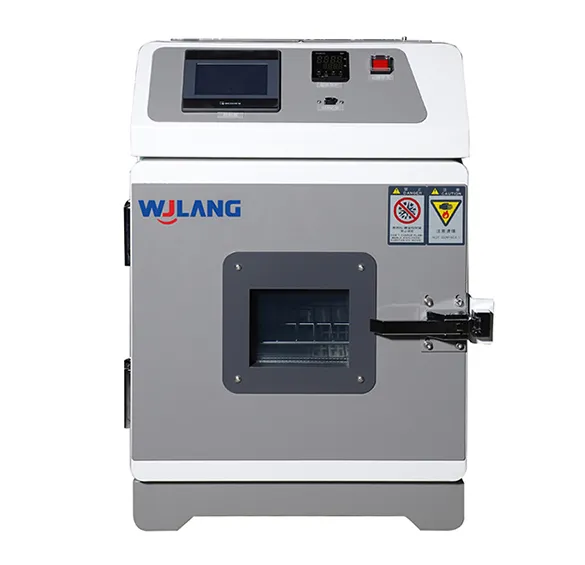
Benchtop Environmental Chamber: A more compact form factor for smaller products or R&D environments, offering flexibility and efficiency.
Each type serves specific functionalities and is tailored to meet precise industry testing protocols, ensuring reliability and consistency across various sectors.
Testing Capabilities
Thermal chambers offer extensive testing capabilities that are crucial for ensuring product durability and reliability under various conditions. These include:
Thermal Shock Testing: Capable of conducting rapid thermal cycling, these chambers, including advanced thermal cycle chamber solutions, simulate extreme climate changes that products might encounter during transit or deployment.
Temperature and Humidity Testing: Temperature humidity chambers allow for precise control over both factors, vital for industries such as pharmaceuticals and electronics.
Environmental Stress Screening: Used for identifying potential defects through accelerated life testing, ensuring product quality and longevity.
With these capabilities, thermal chambers help validate product performance, ensuring that end-users receive equipment capable of enduring varying real-world conditions.
Industry Applications
Thermal chambers find applications across diverse industries, owing to their comprehensive testing capabilities:
Aerospace: Ensuring materials withstand extreme climate chamber conditions.
Automotive: Utilizing thermal shock testing to improve material performance and safety.
Electronics: Ensuring circuit boards and other sensitive components maintain functionality under varying thermal conditions.
Pharmaceuticals: Stability testing for drugs, ensuring they maintain efficacy across environmental changes.
Such applications push the boundaries of innovation, demanding continuous advancements in chamber technology to meet the evolving needs of industries worldwide.
Maintenance Essentials
Regular maintenance of thermal chambers is crucial to their accuracy and longevity. Some essential practices include:
Calibration: Routine calibration ensures measurements remain accurate, a critical aspect for compliance and reliability.
Insulation Checks: Ensuring that chamber insulation remains intact to prevent energy loss and maintain efficiency.
Component Cleanliness: Regular cleaning prevents damage and ensures operational efficiency, especially critical for a temp humidity chamber.
Software Updates: Keeping control system software updated to incorporate the latest security and functionality enhancements.
Implementing these maintenance practices ensures that a temperature and humidity chamber continues to provide consistent and reliable testing environments, minimizing downtime and operational costs.
In conclusion, thermal chambers stand as pivotal components in modern product testing and development, serving to simulate real-world environmental conditions. By offering varied types and capabilities, from temperature chambers to thermal cycling chambers, they cater to the sophisticated demands of industries such as aerospace, electronics, and pharmaceuticals. Understanding these facets enhances not only product durability but also regulatory compliance and market readiness. As industries continue evolving, so too will the need for cutting-edge environmental testing solutions, where maintaining equipment integrity and performance remains paramount.
Referral Links:
Vietnam Wujinglang Technology
Vietnam Wujinglang Co., Ltd. is a high-precision reliability test equipment R&D & manufacturing provider, offering global environmental simulation and extreme test solutions for electronics, automobiles, aerospace, adhering to customer-first culture for sustainable development.
 English
  日本語
日本語  한국어
한국어  français
  Deutsch
  русский
  tiếng việt
  ไทย
ไทย  Malay
Malay 
 Know More