The Application of Reliability Equipment in Electronic and Electrical Devices
The fundamental purpose of reliability testing is to simulate, within a laboratory environment, the various environmental stresses and usage conditions a product may encounter throughout its entire lifecycle.
By employing accelerated aging methods, potential defects and failures are exposed early, enabling improvements to ensure product quality, durability, and safety.
The following analysis is organized into several sections:
Why Do Electronic and Electrical Products Require Reliability Testing?
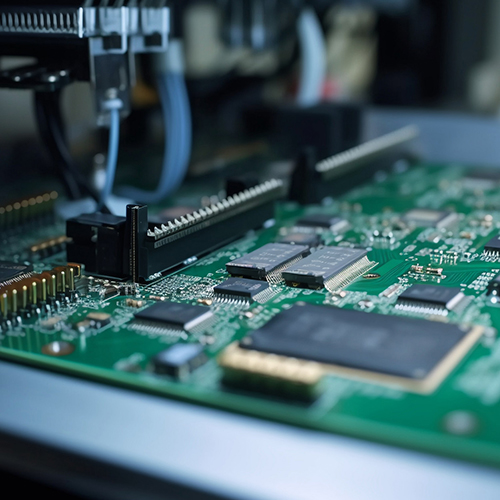
The reliability of electronic and electrical products—ranging from a single chip or charger to large appliances like refrigerators, air conditioners, and washing machines—directly impacts:
User Experience: Minimizing frequent failures to ensure stable functionality.
Brand Reputation: High reliability forms the foundation of brand credibility.
Safety compliance: Preventing accidents caused by overheating, short circuits, combustion, etc., while meeting mandatory regulations and certifications (e.g., China's CCC, EU's CE, US's UL).
Cost control: “Preventive measures” are far less costly than “post-failure repairs” and “mass recalls.”
Market competitiveness: Extended warranties and positive word-of-mouth serve as powerful competitive advantages.
Primary Types of Reliability Testing Equipment and Their Applications
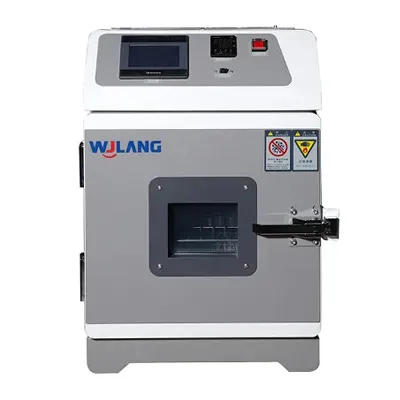
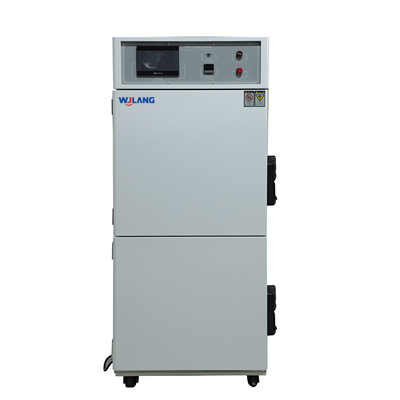
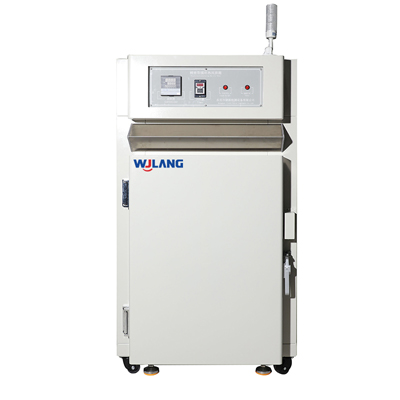
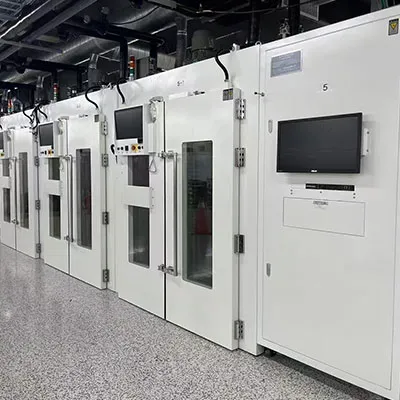
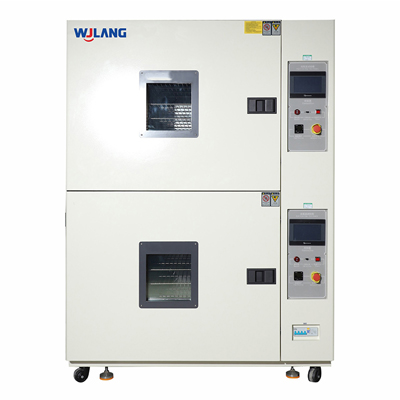
With numerous types of reliability testing equipment, the following analysis focuses solely on Wujinglang's devices:
Environmental Reliability Testing Equipment
Simulates climatic conditions encountered during product storage, transportation, and use.
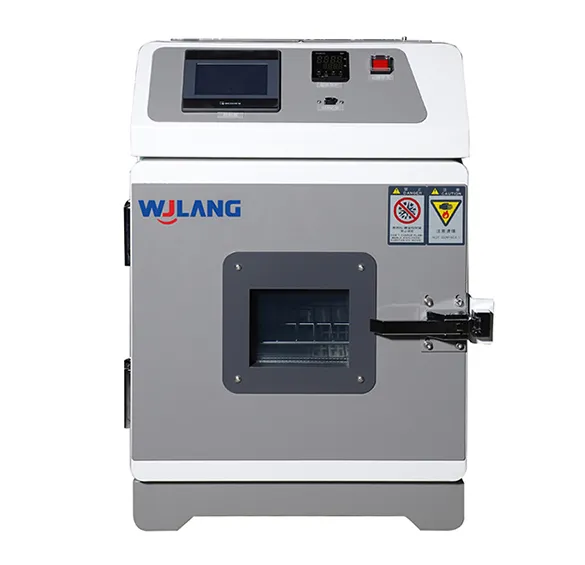
1. Temperature Chamber:
Function:
Simulates extreme cold, extreme heat, and high/low temperature cycling.
Applications:
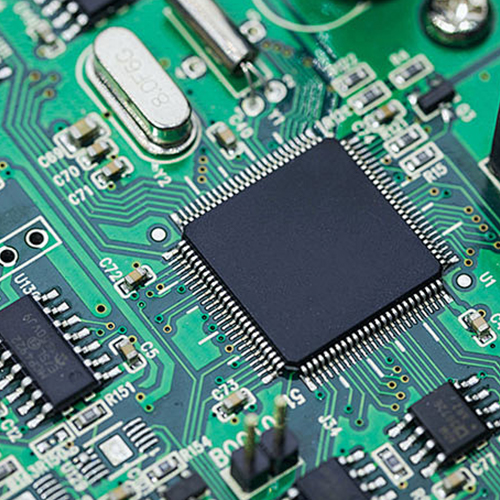
High-Temperature Testing: Evaluates performance degradation, aging, and deformation of components, PCBs, and plastic casings under elevated temperatures. Low-temperature testing: Evaluates LCD display delays, sudden battery life drops, and material brittleness/cracking. Temperature cycling testing: Repeated thermal shocks assess solder joint cracking and poor contact caused by differing thermal expansion coefficients of materials (a common failure mode).
2. Constant Temperature and Humidity Chamber / Temperature-Humidity-Vibration Combined Chamber:
Function:
Simulates complex environments like high-temperature/high-humidity or low-temperature/low-humidity conditions. The triple-combination chamber simultaneously applies temperature, humidity, and vibration stresses for greater real-world accuracy.
Applications:
High-temperature/high-humidity testing: Accelerates oxidation and corrosion of metal components; evaluates PCB moisture absorption and insulation degradation (leakage). Dual 85 testing (85°C/85%RH) is an industry standard for rigorously assessing products' resistance to humid heat.
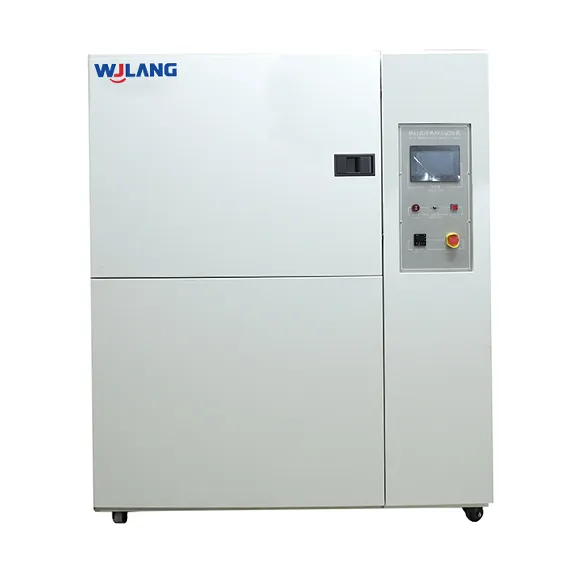
3. Thermal Shock Test Chamber:
Function:
Achieves instantaneous transitions between extreme high and low temperatures within minutes, delivering more severe impacts than temperature cycling.
Applications:
Specifically designed to evaluate product tolerance to abrupt temperature changes, posing rigorous challenges for components like chip packages, BGA solder joints, and ceramic capacitors.
Overview of Testing Procedures
Developing Test Plans: Determine required test items, conditions, and pass/fail criteria based on product specifications, target market regulations, and operating environments.
Sample Preparation: Select a specified number of samples (typically pre-production engineering prototypes).
Test Execution: Place samples in corresponding test equipment and apply stresses according to the plan.
Interim/Final Inspection: Conduct functional, performance, and visual checks during or after testing, documenting any anomalies or failures.
Data Analysis and Improvement: Analyze failure causes and provide feedback to design, procurement, or production departments for enhancements (e.g., material substitution, design modifications, process optimization).
Certification and Reporting: Upon successful testing, generate reports for certification purposes or as internal quality documentation.
Summary of Environmental Testing Equipment in Electronics
Reliability testing equipment serves as the “quality guardian” and “time machine” for the electronics and electrical industries. Through scientific methods, they “pre-simulate” potential issues that products might encounter over years within weeks or months in the laboratory.
This is not only a necessary step for compliance but also an indispensable core tool for enterprises to conduct forward-looking product development, enhance core competitiveness, and reduce market risks. Investing in reliability testing is fundamentally a critical investment in brand reputation and user safety.
 English
  日本語
日本語  한국어
한국어  français
  Deutsch
  русский
  tiếng việt
  ไทย
ไทย  Malay
Malay 

 Know More