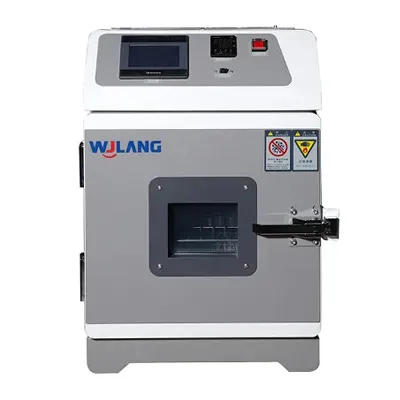
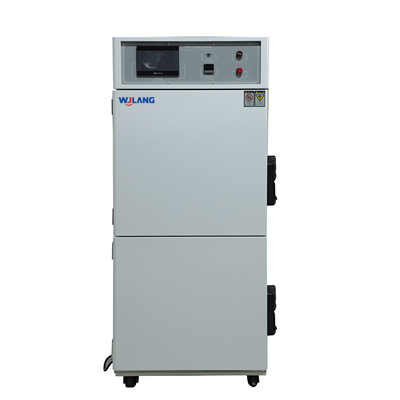
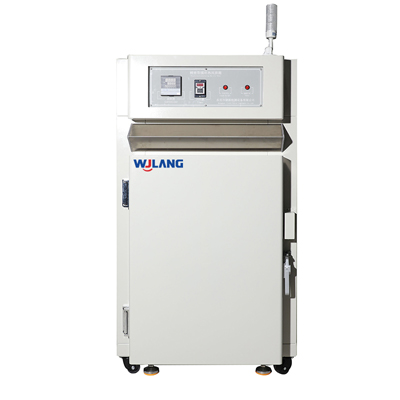
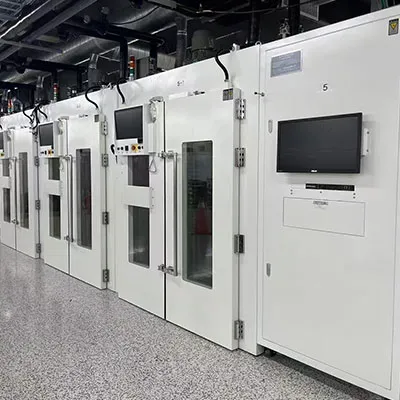
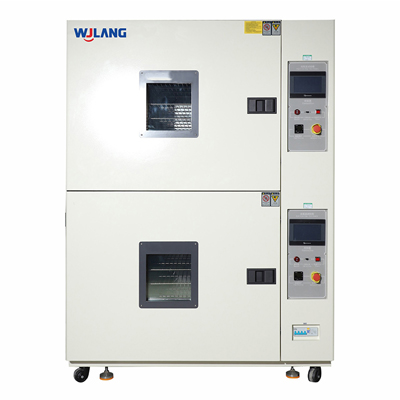
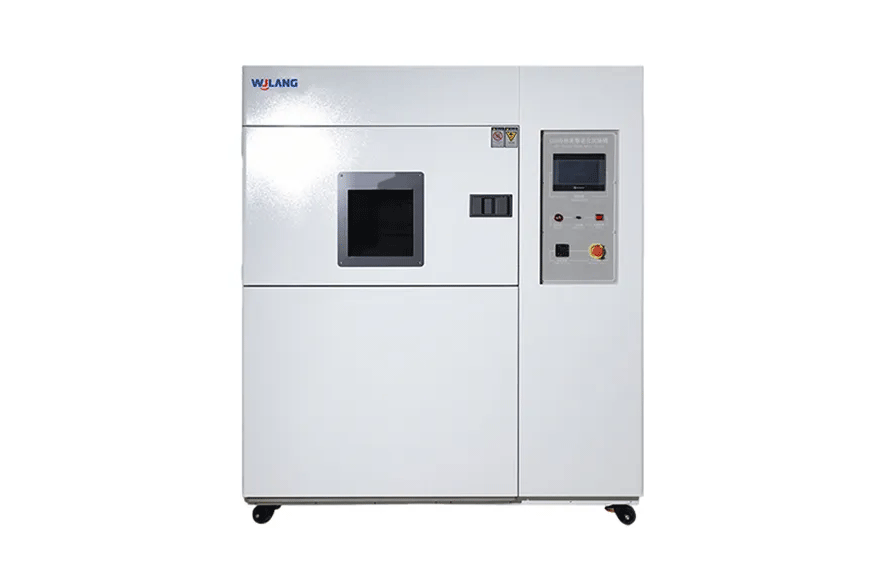
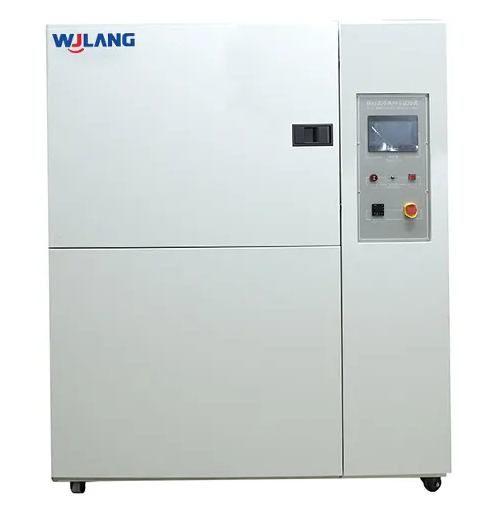
Thermal shock test chambers, also known as shock chambers in some industrial testing applications, are relatively mature and widely used equipment in environmental testing, bringing convenience to many industries. Although their operation is not complicated, it is important to avoid common operational errors to prevent unnecessary losses. The following provides a brief explanation of these issues:
Common operational errors with thermal shock test chambers:
1. Opening the chamber door during operation can cause high-temperature airflow to escape, leading to test failure and unnecessary losses.
2. Improper grounding during installation poses an electric shock hazard to operators.
3. Leaving the interior lighting on when unnecessary can disrupt temperature control.
4. Placing flammable or explosive items inside the equipment can cause safety incidents.
5. Conducting high-temperature tests directly from a cold start state can damage the equipment.
The above are common operational errors! Operators must avoid these mistakes to prevent equipment damage or endanger their own safety.
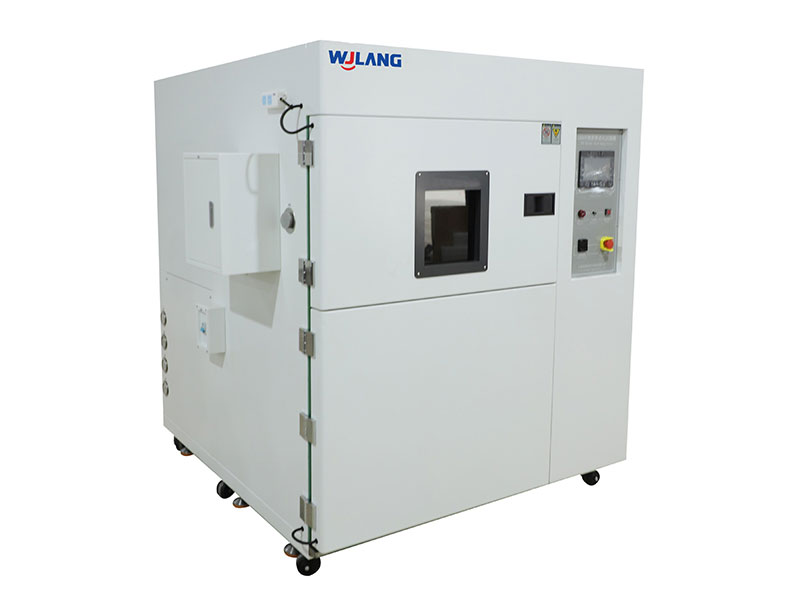
Application scope of thermal shock test chambers:
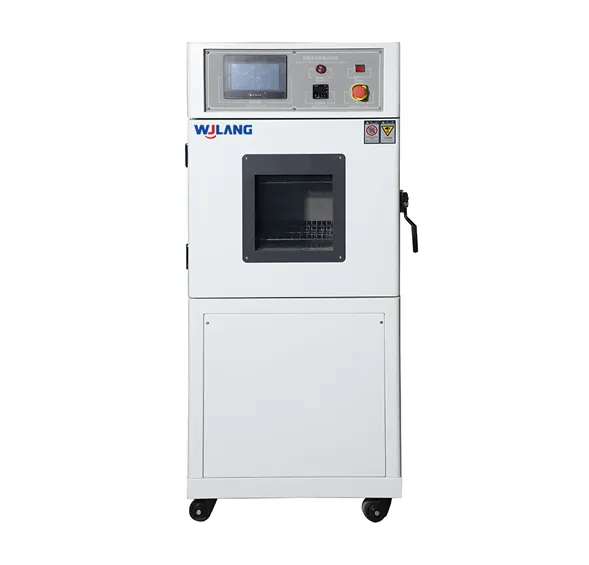
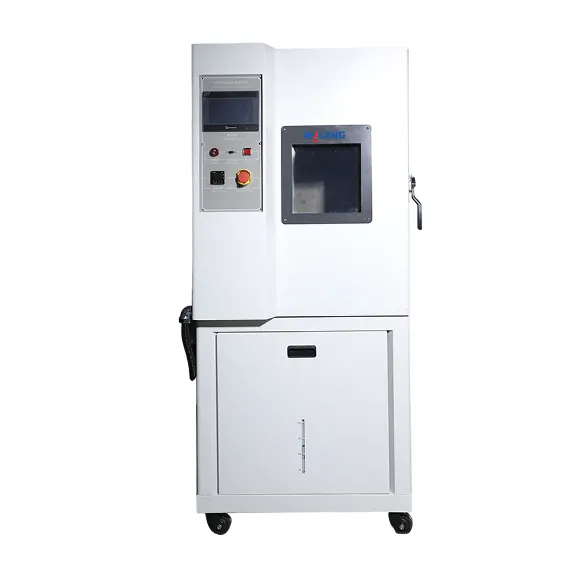
Wujinglang thermal shock test chambers/thermal shock boxes, a premier type of thermal shock testing machine, are primarily used to test the performance of materials under various environmental conditions and to evaluate the heat resistance, cold resistance, moisture resistance, and humidity resistance of various materials. It is suitable for quality testing of products in industries such as electronics, appliances, communications, instruments, vehicles, plastic products, metals, food, chemicals, construction materials, medical devices, and aerospace.
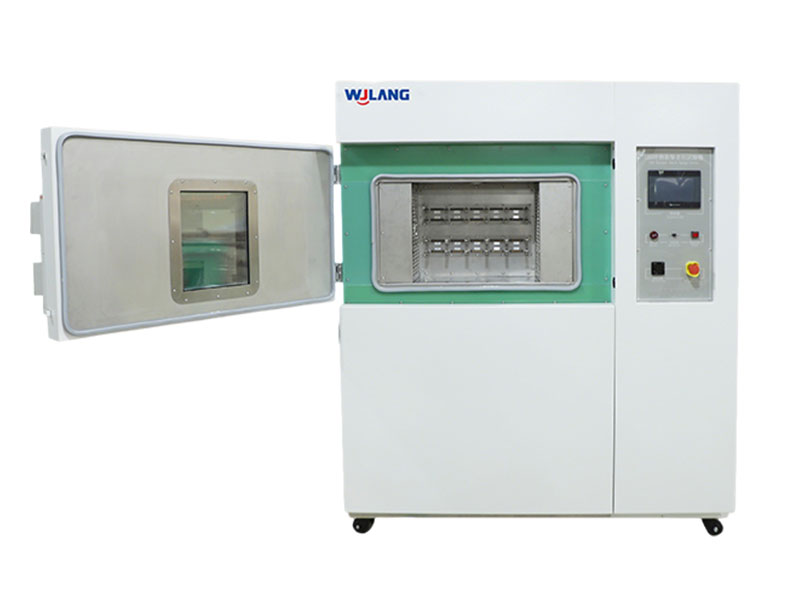
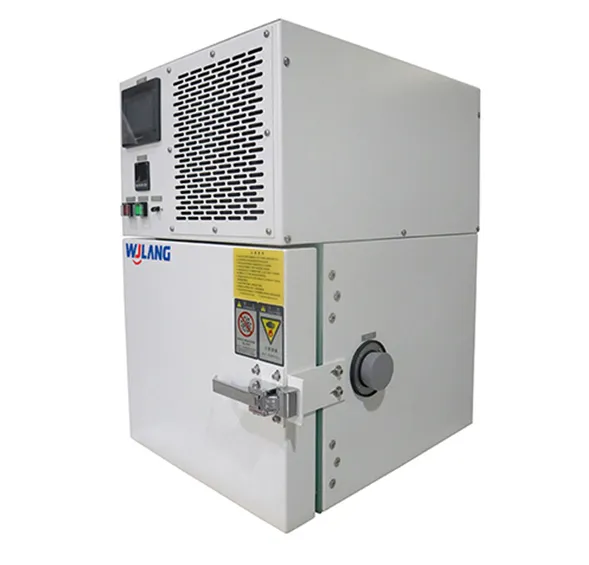
Advantages of the mini three-chamber thermal shock test chamber independently developed and manufactured by Wujinglang:
1. Compact design, small size, and high cost-effectiveness;
2. Uses air-cooled condensation, eliminating the need for a cooling tower installation;
3. Energy-saving design reduces energy consumption, easy installation, and multiple safety protection devices;
4. Suitable for research institutions and office buildings with limited space, providing an efficient solution for environmental simulation chambers applications.
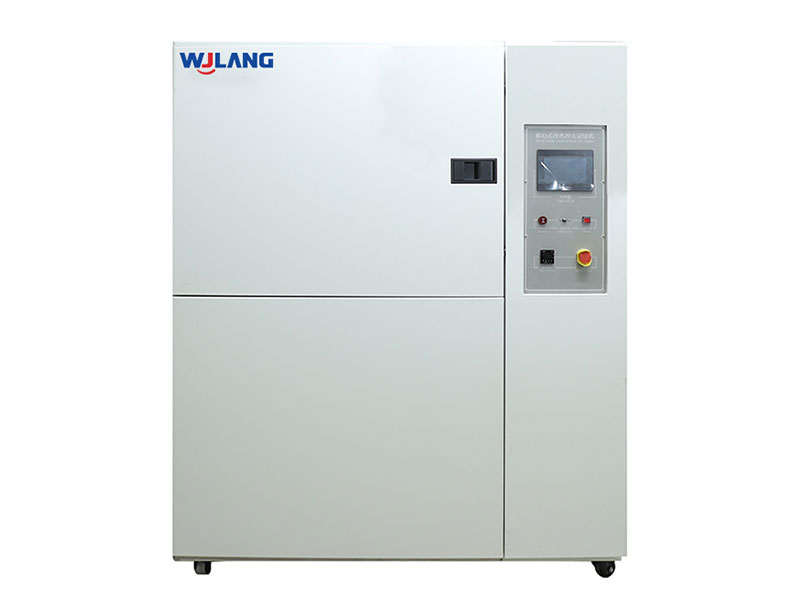
Vietnam Wujinglang Technology
Vietnam Wujinglang Co., Ltd. is a high-precision reliability test equipment R&D & manufacturing provider, offering global environmental simulation and extreme test solutions for electronics, automobiles, aerospace, adhering to customer-first culture for sustainable development.
 English
  日本語
日本語  한국어
한국어  français
  Deutsch
  русский
  tiếng việt
  ไทย
ไทย  Malay
Malay 
 Know More