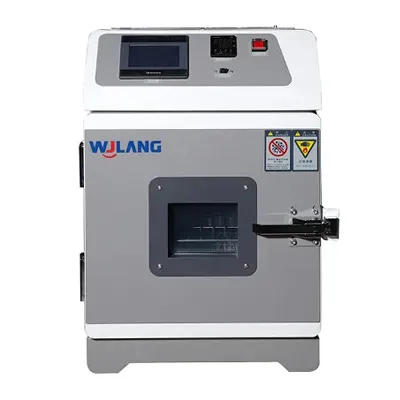
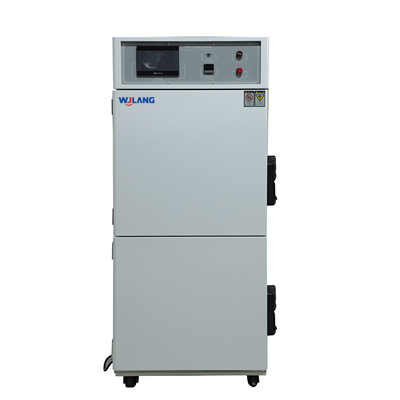
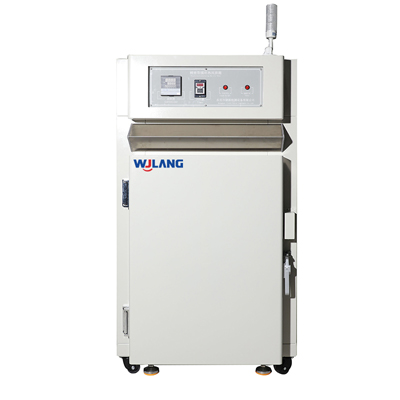
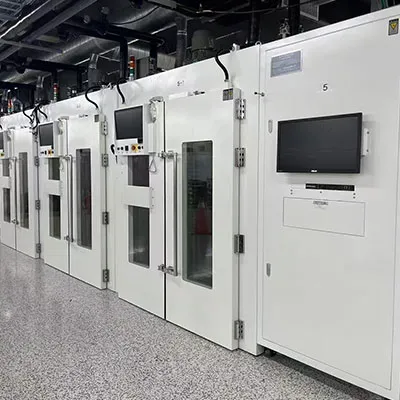
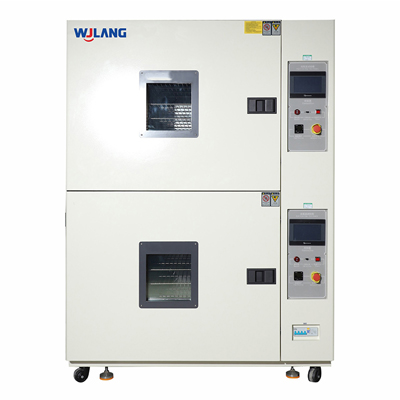
Global product qualification often requires proving performance under controlled temperature and humidity extremes—while also meeting documentation and repeatability expectations tied to MIL-STD, IEC, and ISO test methods. This post explains how engineers translate those standards into real chamber specifications (range, ramp, uniformity, stability, sensors, and reporting), and when a custom environmental test chamber becomes the practical path to matching your exact test profile, load, and compliance workflow.
Custom Environmental Test Chamber Fundamentals: Turning Standards into Chamber Specs
Standards define test conditions + tolerances + procedure + reporting more than a single “approved chamber.” A custom environmental test chamber must deliver on key specs like temperature range (-70°C to +180°C), humidity range (10-98% RH), ramp rate (5-10°C/min), uniformity/stability (±1°C / ±.5°C), recovery time (<10 min), sensor placement, and payload heat load.
| Standard Requirement | Chamber Capability Needed | Verification Evidence (Calibration/Report) |
|---|
| Test Conditions | Programmable cycles (e.g., 85/85) | Profile logs + graphs |
| Tolerances | Uniformity (±2°C loaded) | Multi-point sensor mapping |
| Procedure | DUT sensor integration | SOPs + as-built drawings |
| Reporting | Secure data export | NIST-traceable certificates |
Custom Environmental Test Chamber for MIL-STD Work: What Labs Commonly Need
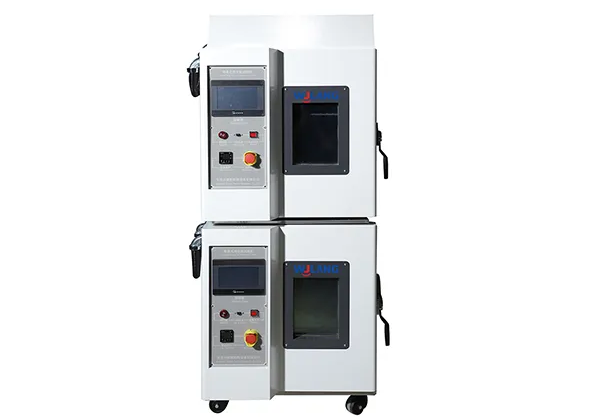
MIL programs often emphasize harsh profiles, repeatability, traceability, and documentation for aerospace/defense. Typical RFQ items for a custom environmental test chamber include robust construction, safety interlocks, programmable profiles, data logging, calibration certificates, and service support.
RFQ Checklist (copy/paste ready):
Temps/RH: -40°C to 125°C, 20-95% RH.
Workspace/Load: 1m³, 200kg.
Ramp/Cycles: 8°C/min, 500+ cycles.
Extras: Ports, alarms, Ethernet logging.
Custom Environmental Test Chamber for IEC Testing: Electronics-Focused Profiles and Reporting
IEC-style testing often involves temperature/humidity cycling, steady-state holds, and consistent measurement practices. A custom environmental test chamber addresses this with humidity control accuracy, condensation management, stable airflow, alarms/event logs, and profile programming.
Common Mistakes:
Undersized chamber vs. load (add 20-30% clearance).
Wrong sensor placement (edges, not just center).
Ignoring heat load (DUT >500W disrupts uniformity).
Custom Environmental Test Chamber and ISO Workflows: Calibration, Traceability, and Audit Readiness
ISO-driven environments tend to require strong documentation: calibration schedules, maintenance records, SOPs, and controlled reporting. Features that help in a custom environmental test chamber include secure data export, user roles, test report templates, and maintenance reminders.
IQ/OQ/PQ-Style Documentation Outline:
IQ: Installation/utilities verification.
OQ: Empty/full-load performance mapping.
PQ: Sample protocol runs with data analysis.
Choosing a Custom Environmental Test Chamber: A Practical Buying Checklist
Define your real test: temperature only vs temp+humidity; bench-top vs walk-in; cycle complexity; specimen size/quantity. Site constraints include power, drainage/water (if needed), ambient limits, and placement/clearance for a custom environmental test chamber.
Questions to Ask a Supplier:
Loaded ramp rates and uniformity?
Custom ports/heat load handling?
Calibration traceability and lead time?
Conclusion
Meeting MIL-STD, IEC, and ISO requirements is about matching the test method’s conditions, tolerances, measurement, and documentation—then selecting a chamber configuration that can repeat those profiles under real load.
FAQ
What’s the difference between a climatic chamber and a custom environmental test chamber?
A climatic chamber is standard off-the-shelf; a custom environmental test chamber is tailored for specific ranges, ports, loads, and compliance profiles.
Do MIL-STD, IEC, and ISO standards require a specific chamber brand or model?
No—they specify methods and performance; chambers must be validated to prove compliance.
Which specifications matter most for compliance: range, ramp rate, uniformity, or stability?
All critical: range for extremes, ramp rate for cycles, uniformity/stability for tolerances under load.
How should I document calibration and sensor placement for audits?
Use NIST certs, multi-point maps, SOPs with photos, and logged verification runs.
What information should I provide to quote a custom environmental test chamber (load, profile, dimensions, heat load)?
DUT dimensions/weight/heat load, test profile (temps/RH/rates), workspace size, and cycle details.
Vietnam Wujinglang Technology
Vietnam Wujinglang Co., Ltd. is a high-precision reliability test equipment R&D & manufacturing provider, offering global environmental simulation and extreme test solutions for electronics, automobiles, aerospace, adhering to customer-first culture for sustainable development.
 English
  日本語
日本語  한국어
한국어  français
  Deutsch
  русский
  tiếng việt
  ไทย
ไทย  Malay
Malay 
 Know More